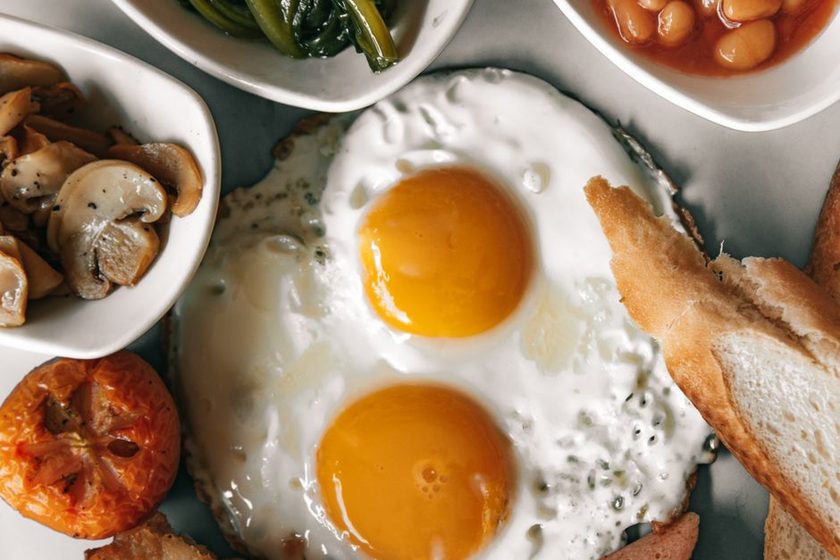
Most people think about protein as a single daily number — a target to hit by dinnertime, however it gets there. But a growing body of nutrition research suggests that when you eat protein may matter almost as much as how much you eat. A cereal-and-coffee breakfast followed by a protein-heavy dinner can add up to the "right" total on paper while leaving your body running on empty for most of the day. Spreading protein more evenly across meals is a simple shift that costs nothing extra and can support steadier energy, better satiety, and more consistent muscle maintenance over time.
What protein is actually doing for you
Protein is the raw material your body uses to repair tissue, maintain muscle, and produce enzymes and hormones. Unlike carbohydrates and fat, it isn't stored in a dedicated reserve — your body works with what's available in circulation and in your last meal or two. That's part of why protein timing tends to matter more than people expect: muscle repair and maintenance happen in a fairly continuous cycle, not just after a single big meal.
Protein is also one of the more satiating nutrients. Meals with a reasonable amount of it tend to keep hunger at bay longer than protein-light meals of the same size, which is one reason a tiny breakfast often leads to a snack-heavy late morning. If you've ever noticed your focus and energy sagging a couple of hours after lunch, uneven protein intake can be part of that picture — something we unpack in more detail in why energy dips after lunch.
The tiny-breakfast, huge-dinner pattern
In many households, breakfast is toast, cereal, or just coffee — a few grams of protein at most. Lunch is often a sandwich or salad with a modest amount. Then dinner arrives with a full portion of meat, fish, tofu, or legumes, sometimes carrying more protein than the rest of the day combined. It's an understandable pattern: dinner is usually the meal with the most time and the biggest plate. But it means your body spends the first two-thirds of the day with very little protein on hand for repair and maintenance work.
Your body doesn't bank protein for later use the way it banks fat — spreading intake across the day gives it steady raw material instead of one large, late delivery.
This distribution question sits alongside the broader topic of how your body handles fuel across the day, which we cover in metabolism basics without the myths. Protein distribution and general metabolic steadiness tend to reinforce each other — neither works in isolation.
Why roughly 20–30g per meal tends to work well
You don't need to be precise to the gram, but many nutrition educators point to a rough target of 20–30 grams of protein per meal as a useful anchor, especially as people get older. Muscle maintenance becomes more of an active project with age — muscle tissue naturally tends to decline over the decades, and having a steady supply of protein at each meal may help support the maintenance side of that equation. For most adults, a per-meal target in that range is achievable without any special products, and it tends to leave you feeling more level through the day than one enormous protein-heavy dinner.
The exact number that's right for any individual varies with body size, activity level, and goals, so treat 20–30g as a general starting point rather than a strict rule.
Easy protein sources for each meal
Breakfast is usually the weak spot, simply because so many default breakfast foods — cereal, toast, juice, plain oatmeal — are carbohydrate-heavy and protein-light. A few small swaps can close that gap without much effort:
- Add eggs, Greek yogurt, or cottage cheese to a carb-forward breakfast
- Stir a spoonful of nut butter or a handful of nuts into oatmeal
- Keep a batch of hard-boiled eggs or a tub of yogurt ready for busy mornings
- For plant-based mornings, try tofu scramble, tempeh, or a soy or pea-protein yogurt
Lunch and dinner are usually easier to load with protein since they already center on a main dish — but it still helps to notice when a lunch is mostly bread, rice, or pasta with only a token amount of meat, cheese, or beans mixed in.
Simple ideas by meal
The table below offers a rough starting point. These are everyday foods, not precise measurements, so treat the gram figures as approximate.
| Meal | Simple protein ideas | Rough grams |
|---|---|---|
| Breakfast | 2 eggs, or a cup of Greek yogurt | ~14–20g |
| Mid-morning snack | Handful of almonds and a piece of cheese | ~8–10g |
| Lunch | Chicken, fish, tofu, or a hearty bean salad | ~20–28g |
| Afternoon snack | Cottage cheese or a protein-rich smoothie made from whole foods | ~12–15g |
| Dinner | Palm-sized portion of meat, fish, tempeh, or lentils | ~20–25g |
Do you need protein powder?
For most people eating a varied diet, the answer is no. Whole-food sources — eggs, dairy, legumes, tofu, fish, poultry, nuts — can cover a spread-out protein target without any powders or bars. Powders can be a convenient add-on for people with genuinely high needs, limited appetite, or very busy schedules, but they're a convenience tool, not a requirement. If your goal is simply to move from a lopsided distribution to a more even one, a boiled egg at breakfast and a handful of nuts in the afternoon will usually do more for you than a supplement aisle detour.
As with most habit changes, small and consistent tends to beat dramatic and short-lived. Shifting one meal at a time — starting with breakfast, since it's typically the lightest — is often easier to sustain than overhauling your whole day at once.