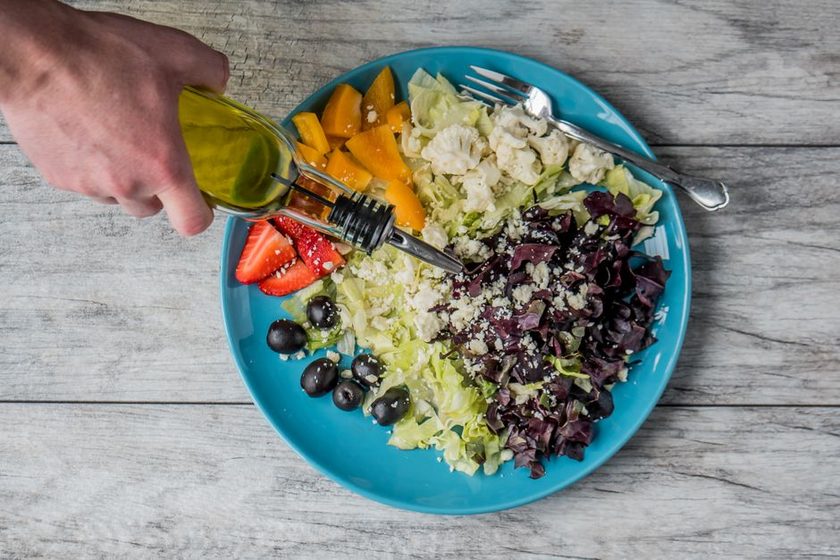
"Anti-inflammatory" has become one of those wellness phrases that shows up on everything from smoothie packaging to supplement labels, often without much explanation of what it actually means. The good news is that the real story is simpler and far less expensive than the marketing suggests. It isn't about hunting down one rare "superfood" or following a rigid protocol — it's about a pattern of everyday eating that a lot of people already have some pieces of. This piece walks through what inflammation actually is, why the pattern matters more than any single ingredient, and which ordinary foods tend to show up again and again in the research, so you can look at your own kitchen with a little more clarity.
Two very different kinds of inflammation
The word "inflammation" covers two quite different processes, and mixing them up is where a lot of confusion starts. The first is short-term, protective inflammation — the redness and swelling around a scraped knee, or the achy, feverish feeling that can come with a cold. This kind is your body doing exactly what it's supposed to do: sending immune activity to a site that needs repair, then standing down once the job is finished. It's uncomfortable, but it's not the villain of the story.
The second kind is the low-grade, background inflammation that researchers link to everyday lifestyle factors — a mostly sedentary routine, chronic stress, poor sleep, and a dietary pattern heavy in ultra-processed foods. This kind doesn't announce itself with swelling or fever; it tends to simmer quietly, and it's the type most "anti-inflammatory eating" conversations are actually about. The goal was never to eliminate inflammation altogether — that would leave you unable to heal from a paper cut — but to avoid carrying an unnecessary, ongoing load.
It's the pattern, not a single food
If there's one myth worth retiring, it's the idea that a single "superfood" can meaningfully shift how your body handles inflammation on its own. That's not really how the biology works — it responds to cumulative signals over weeks and months, not to one smoothie ingredient added on a Tuesday. Our piece on metabolism basics covers a related myth: that isolated "metabolism boosting" foods can override the bigger picture of overall habits. The anti-inflammatory conversation runs on the same logic.
What the research more consistently points to is an overall dietary pattern — something like traditional Mediterranean-style eating — rather than any specific compound in isolation. That pattern is built from ordinary, repeatable choices: what fills most of your plate most days, what you reach for as a snack, what your default cooking fat is.
Everyday foods that tend to fit the pattern
None of the foods below are exotic. What they share is a track record of showing up in dietary patterns researchers associate with lower markers of low-grade inflammation.
- Colorful fruits and vegetables — the more variety of color on the plate across a week, the wider the range of plant compounds you're taking in.
- Extra-virgin olive oil — an everyday swap for more processed cooking fats.
- Fatty fish — salmon, sardines, and mackerel, which supply omega-3 fats.
- Nuts and seeds — a portable source of healthy fats, fiber, and plant compounds.
- Whole grains — oats, barley, and brown rice, which keep more of their natural fiber intact.
- Herbs and spices — turmeric, ginger, garlic, and cinnamon, adding flavor along with plant compounds.
- Legumes — beans, lentils, and chickpeas, which pair fiber with plant protein.
You'll notice none of these require a special store or an expensive substitution — they're pantry staples in a lot of kitchens already.
What each one is thought to contribute
It can help to have a quick reference for what's behind each food — not as a memorization exercise, but as a way to see that the "why" is usually a specific, well-studied compound rather than vague marketing language.
| Everyday food | Compound or idea behind it |
|---|---|
| Berries, leafy greens, peppers | Polyphenols and antioxidants tied to plant pigment and diversity |
| Extra-virgin olive oil | Oleocanthal and monounsaturated fats, central to Mediterranean-style patterns |
| Salmon, sardines, mackerel | Omega-3 fatty acids (EPA/DHA) |
| Turmeric, ginger | Curcumin and gingerol, plant compounds studied for their role in the pattern |
| Beans, lentils, chickpeas | Fiber that supports a healthy gut environment |
That last row connects to a bigger picture: fiber-rich foods also feed the bacteria living in your gut, and gut balance is closely tied to how the body manages inflammation. We go into that connection more in gut health and everyday wellbeing.
The pattern that seems to matter most isn't built from rare ingredients — it's built from ordinary plants, healthy fats, and fiber, eaten consistently enough that the body notices.
What tends to work against the pattern
Just as no single food fixes everything, no single food ruins everything either — but a few patterns are worth noting. Diets that lean heavily on ultra-processed foods (engineered for shelf life and craveability, often with long ingredient lists) are the ones most consistently associated with higher markers of low-grade inflammation. Excess added sugar, particularly from sugary drinks, tends to travel alongside that same pattern. This isn't about labeling any one snack "bad" — it's about noticing what fills the majority of your plate across a typical week.
Adding this in without a special diet
The most sustainable way to shift toward this pattern is the least dramatic one: small substitutions layered onto what you already eat, not a whole new meal plan.
- Swap a processed cooking oil for extra-virgin olive oil where it makes sense.
- Add one extra vegetable to a meal you already make regularly.
- Keep a bag of mixed nuts or seeds around for snacking instead of packaged snack foods.
- Try canned or fresh fatty fish once or twice a week if that fits your routine.
- Season with turmeric, ginger, or garlic when you'd normally reach for salt alone.
None of these require tracking or eliminating entire food groups. The pattern builds from repetition, not from a single perfect day.